Month one of a new budget feels great. Month two is where it dies.
The reason is almost always the same: the first budget was aspirational. You wrote down what you wished you spent on food, not what you actually spend. Then reality arrived, you blew past the limit in week three, and the whole thing lost credibility.
Here’s a sequence that survives contact with real life.
Step 1: Track for one month without any budget at all
Don’t set limits yet. Just record everything for four weeks. No judgment, no adjusting behavior — you’re collecting a baseline, and adjusting behavior during the measurement phase gives you a baseline that isn’t yours.
At the end of the month, look at your category totals. Most people are surprised by exactly two categories. Note which ones.
Step 2: Set the first budget at your actual average, minus nothing
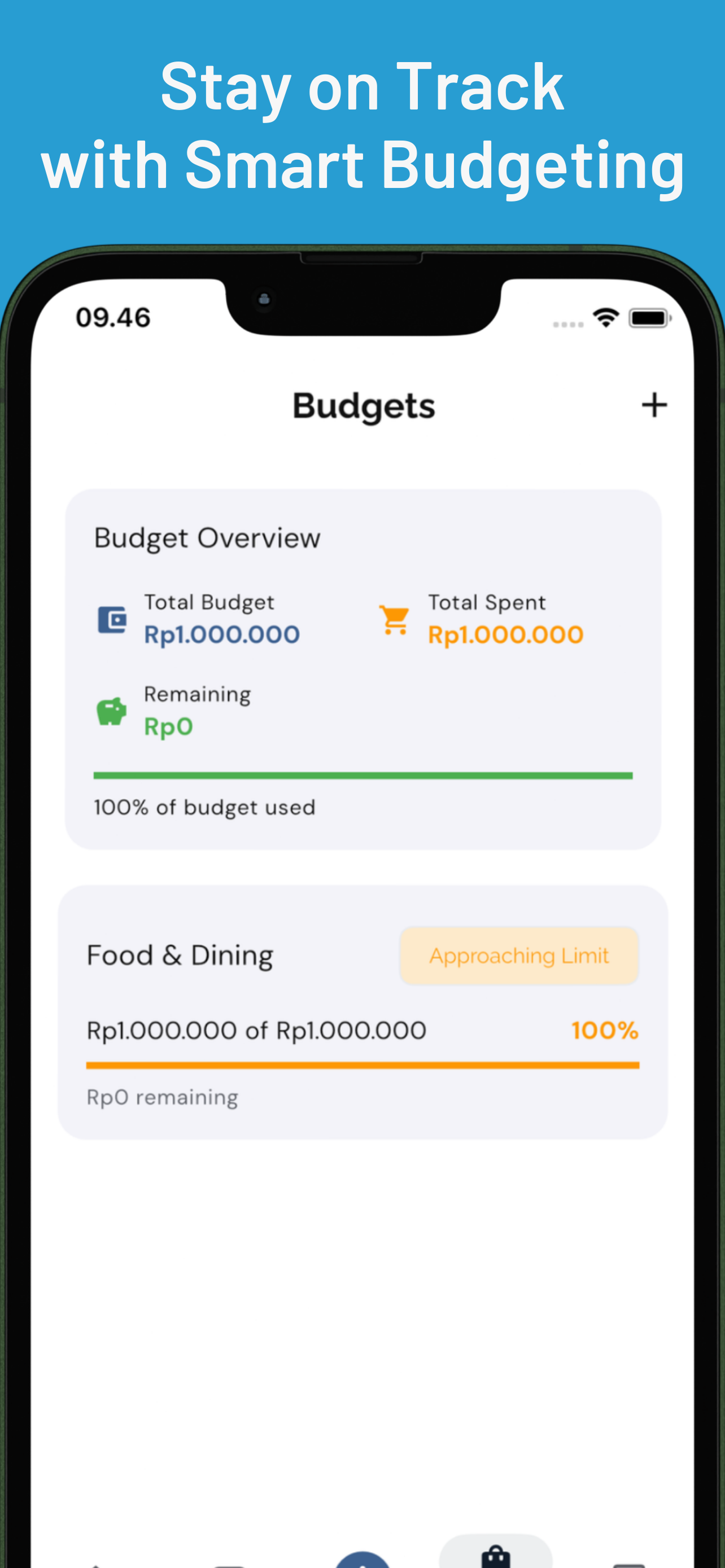
Yes — minus nothing. If you spent 2.4 million on food last month, set the food budget at 2.4 million.
This feels pointless. It isn’t. The first real budget’s job isn’t to cut spending; it’s to make the limit believable so you keep looking at it. A budget you consistently meet is a habit. A budget you consistently blow is background noise you learn to ignore.
Step 3: Cut one category by 10%, not five categories by 30%
In month three, pick a single category — ideally one of the two that surprised you — and trim it by ten percent. One target, one number, one month.
When that sticks, pick the next one. Compounding beats heroics: five categories trimmed 10% each over five months beats an all-at-once overhaul you abandon in week two.
Step 4: Separate fixed from variable
Rent, insurance, subscriptions, and loan payments aren’t budget decisions — they’re commitments. Grouping them with groceries and entertainment makes your “budget” look enormous and unmovable.
Split them. Your real budgeting surface is the variable half, and it’s usually smaller and more controllable than it looks buried in the total.
Step 5: Review weekly, adjust monthly
Check progress once a week — enough to course-correct, not enough to obsess. Adjust the actual limits only at month boundaries, so you’re responding to a full period rather than one expensive Saturday.
The number that actually matters
Not “did I stay under budget” but did the budget match reality. A limit that’s within 10% of your real spending is a working instrument. Anything further off is a wish.
Duit does this loop for you: track first, see your real category averages, then set monthly, weekly, or custom-period budgets with progress bars and alerts before you hit the limit. When you overshoot the same budget three periods in a row, it suggests a number that actually fits. Get it free.